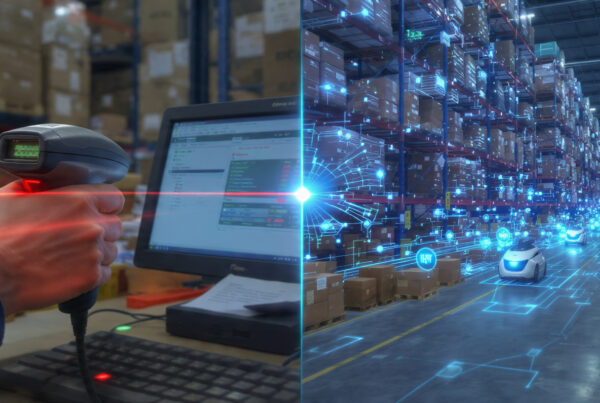



In 2026, the travel experience looks radically different from what we once knew. The once‑central symbol of hospitality—the front desk—has quietly faded into the background. Guests still arrive, check in, ask questions, and request services… but now, these interactions often happen without ever standing in a line, speaking to a staff member, or even realizing what’s happening behind the scenes.
Welcome to the era of the “Invisible” Front Desk—a world where frictionless travel is powered by AI, automation, and seamless digital orchestration.
The Evolution: From Queues to Quiet Efficiency
For decades, travel involved predictable choke points:
- Check‑in counters at hotels
- Boarding gates at airports
- Concierge desks for assistance
- Paperwork-heavy processes for car rentals, cruises, or tours
By 2026, these friction points have been replaced by something smarter, faster, and near‑invisible—proactive guest services, delivered digitally and personalized in real time.
Instead of waiting in line, guests glide through their travel journey—guided by systems that anticipate needs, automate tasks, and minimize human intervention (except where it adds value).
What Makes the Front Desk “Invisible”?
1. Autonomous Check‑In and Identity Verification
Biometric verification, digital keys, and AI-driven identity checks mean guests can:
- Check into hotels before they even arrive
- Walk directly to their room
- Skip front desk queues entirely
The system already “knows” them—from preferred room settings to loyalty status.
2. Agentic AI as the Always‑On Concierge
Guests now engage with intelligent agents, not static chatbots.
These agents can:
- Modify bookings
- Handle upgrades
- Resolve issues
- Coordinate staff requests
- Recommend dining, activities, or transport
- Predict what the guest needs next
And they do it all across apps, wearables, room devices, and even voice interactions.
3. Smart Spaces That Adapt in Real Time
Rooms, lounges, cruise cabins, and airport zones now respond dynamically:
- Lighting adjusts to guest preferences
- Temperature presets load automatically
- Entertainment options personalize instantly
- Housekeeping schedules adjust based on presence sensors
Spaces become responsive—not passive.
4. Seamless Payments and Auto‑Billing
No more checkout lines or billing disputes. In 2026:
- Charges consolidate automatically
- Guests receive real-time expense visibility
- AI flags anomalies instantly
- Payment happens in the background
The “bill at the end” is replaced by “billing as you go”—transparent and friction-free.
5. Predictive Issue Resolution
Instead of fixing problems after they occur, systems now prevent them:
- Room lock batteries replaced before they fail
- Overcrowding predicted and managed
- Delays proactively communicated
- Service gaps identified before the guest notices
Issues don’t just get resolved—they get anticipated.
Industries Leading the Frictionless Travel Revolution
Hotels
- Digital keys, app‑based services, smart rooms
- AI-driven concierge experiences
- Automated upgrades and loyalty benefits
Cruise Lines
- Wearable-based identity and payments
- Real‑time crowd flow optimization
- Personalized activity planning
Airports
- Biometric corridors
- Automated baggage drop and tracking
- Virtual assistants for navigation
Theme Parks
- AI-managed ride queues
- Personalized itineraries
- Real-time route optimization
In each of these industries, the front desk isn’t gone—it’s just everywhere and nowhere at once.
The Business Impact: Why Travel is Becoming Invisible
The shift is not just about convenience—it’s about measurable business outcomes:
- Higher guest satisfaction from seamless experiences
- Reduced operational cost due to automated processes
- More staff time dedicated to high-touch human service
- Increased revenue from personalized upselling
- Stronger brand loyalty through consistently smooth journeys
In 2026, the winners in travel aren’t those with the biggest lobbies—they’re the ones with the smartest invisible systems.
The Human Element Isn’t Gone—it’s Evolved
Frictionless doesn’t mean “staffless.”
It means staff focus on moments that matter:
- Welcoming guests personally
- Delivering empathy in service
- Handling special requests
- Managing exceptional experiences
Technology removes the routine so humans can amplify the exceptional.
Final Thoughts
The “Invisible” Front Desk is not a single technology—it’s a philosophy:
Make everything smoother, smarter, and more intuitive.
Let guests move, not wait.
Let service flow, not interrupt.
As we step further into 2026, frictionless travel is no longer a futuristic vision—it’s today’s expectation. The companies that embrace this will redefine hospitality. Those that don’t may simply fade into the background—ironically, unlike the front desk they rely on.